
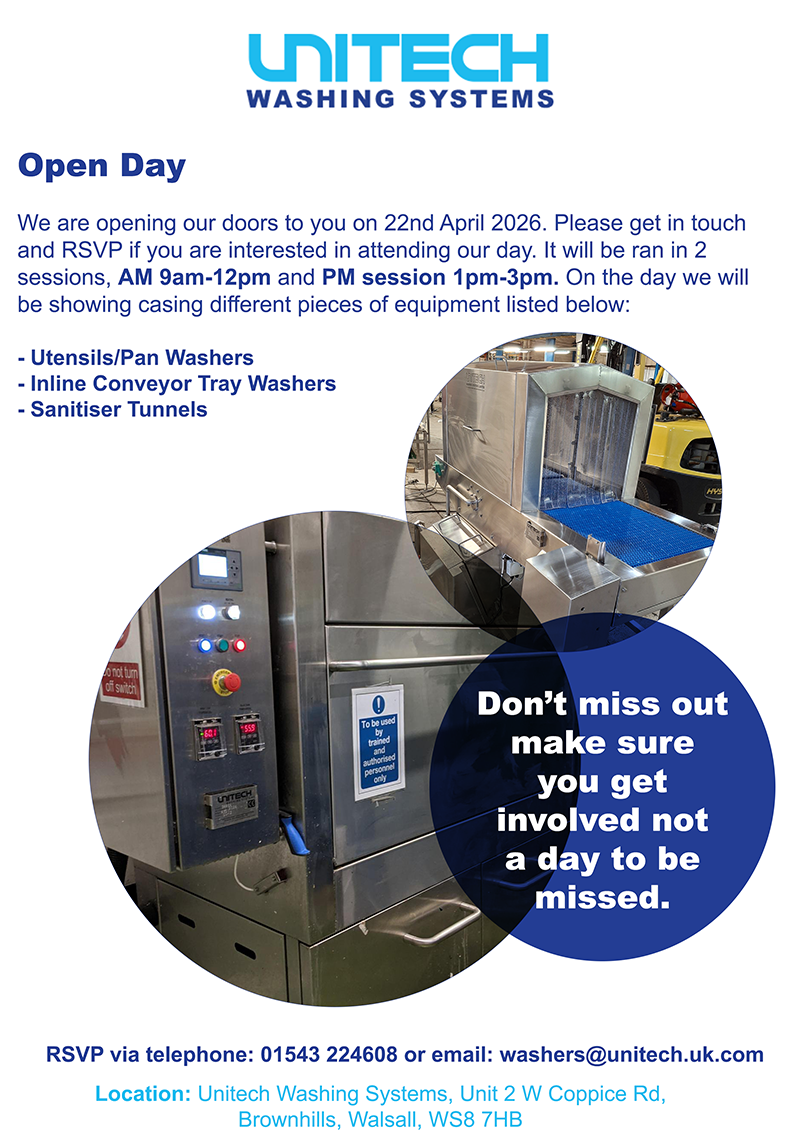
Open Day 2026 – 22nd April
This guide will walk you through everything you need to know about immersion parts washers.
An immersion parts washer is a washing system that submerges parts fully in an agitated cleaning solution, contained in a wash tank.
This method is ideal for washing parts with complex shapes, small holes, or internal channels. Because the part is fully covered by the cleaning solution, every surface has contact with the detergent. This leads to a deeper and more even clean.

The process is straightforward but very effective. Parts are placed into a basket or directly into the tank. The tank contains heated water mixed with a cleaning detergent. Once the cycle starts, several actions take place at the same time.
After washing, drying is the next step. Wet parts can develop rust or water marks if left untreated. Many immersion systems include built-in drying options, such as heated air blowers or drying chambers.
Immersion washers can handle a wide range of components. They are especially useful when parts have deep recesses, threads, or narrow channels.
Common applications include:

Engine parts, fuel injectors, gear components, and bearings.

Turbine blades, valves and hydraulic parts.

Surgical tools, implants, and dental equipment.

Machined parts, mould tools and fabricated components.
Not all immersion washers are the same. Different models suit different tasks and production levels.
Manual Immersion Tanks: Simple and cost effective. Operators place and remove parts by hand. These systems are often used in smaller workshops or maintenance areas.
Agitated Immersion Washers: Pumps or mechanical movement is used to stir the cleaning solution. This added motion improves cleaning power without increasing chemical strength.
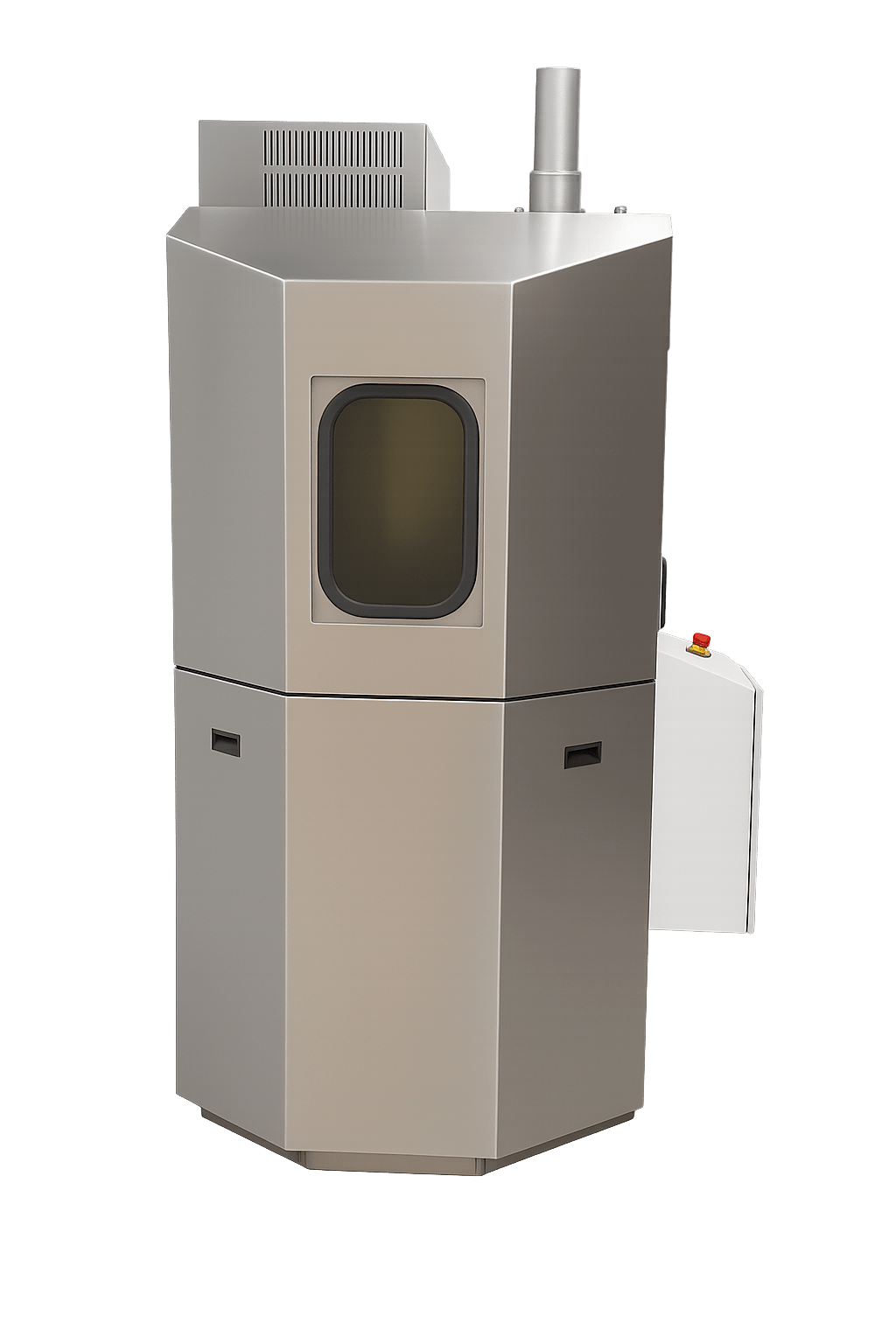
Ultrasonic Immersion Washers: High-frequency sound waves are added to the cleaning process. They are ideal for precision parts, delicate components, and detailed surfaces.
Multi-Stage Immersion Systems: These include several tanks for washing, rinsing, and drying. These are suited to higher production volumes where consistent results are vital.
Each type offers its own balance of speed, cleaning depth, and cost. So how do you pick the right one for your business?
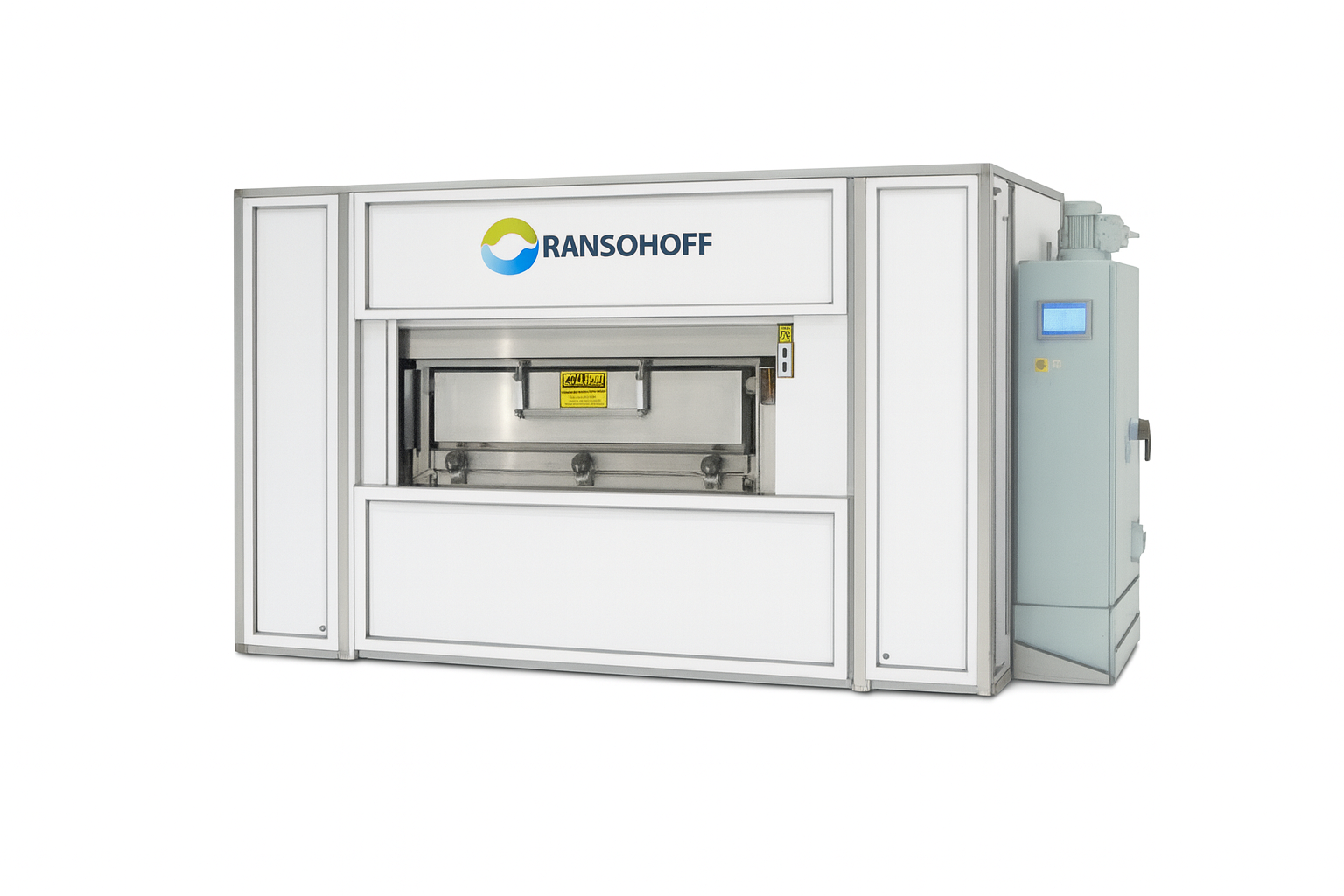
Selecting the right industrial parts washer starts with understanding your cleaning needs. Think about the size, material, and level of contamination of your parts. Remember, parts with fine details or internal passages benefit most from immersion cleaning.
You’ll need to consider:
At Unitech Washers, we can then help you find a solution that fits your workflow. Our systems are built for reliability, easy maintenance, and long service life.
Parts are fully submerged, so the cleaning solution reaches every surface, including holes, threads, and hidden channels.
Automated immersion systems provide repeatable and consistent cleaning results.
Choose from basket rotation, spray under immersion, or ultrasonic cleaning options.
Once the cycle starts, the machine does the work. Operators spend less time handling parts and scrubbing surfaces.
There is no harsh brushing. This lowers the risk of scratches or wear, even on delicate components.
If you’re ready to upgrade your cleaning process or want to explore what an immersion washing system can do for your business, simply get in touch with us on 01543 224608 and we’ll be happy to discuss your needs. Or email us at washers@unitech.uk.com. Our team is here to guide you, answer your questions, and help you find the perfect industrial washing solution.
If you have ever wondered how delicate parts come out perfectly clean without scrubbing or harsh chemicals, the answer is often ultrasonic cleaning. It may sound complex, but the idea is actually simple. Let’s find out.
Ultrasonic cleaning uses very high frequency sound waves. These waves are far above what the human ear can hear. When they travel through a liquid, they create millions of tiny bubbles. This process is called cavitation.
These bubbles grow and then quickly collapse. When they collapse, they release small bursts of energy. These bursts are strong enough to loosen dirt, oil, and grime from surfaces, even in the smallest of gaps.
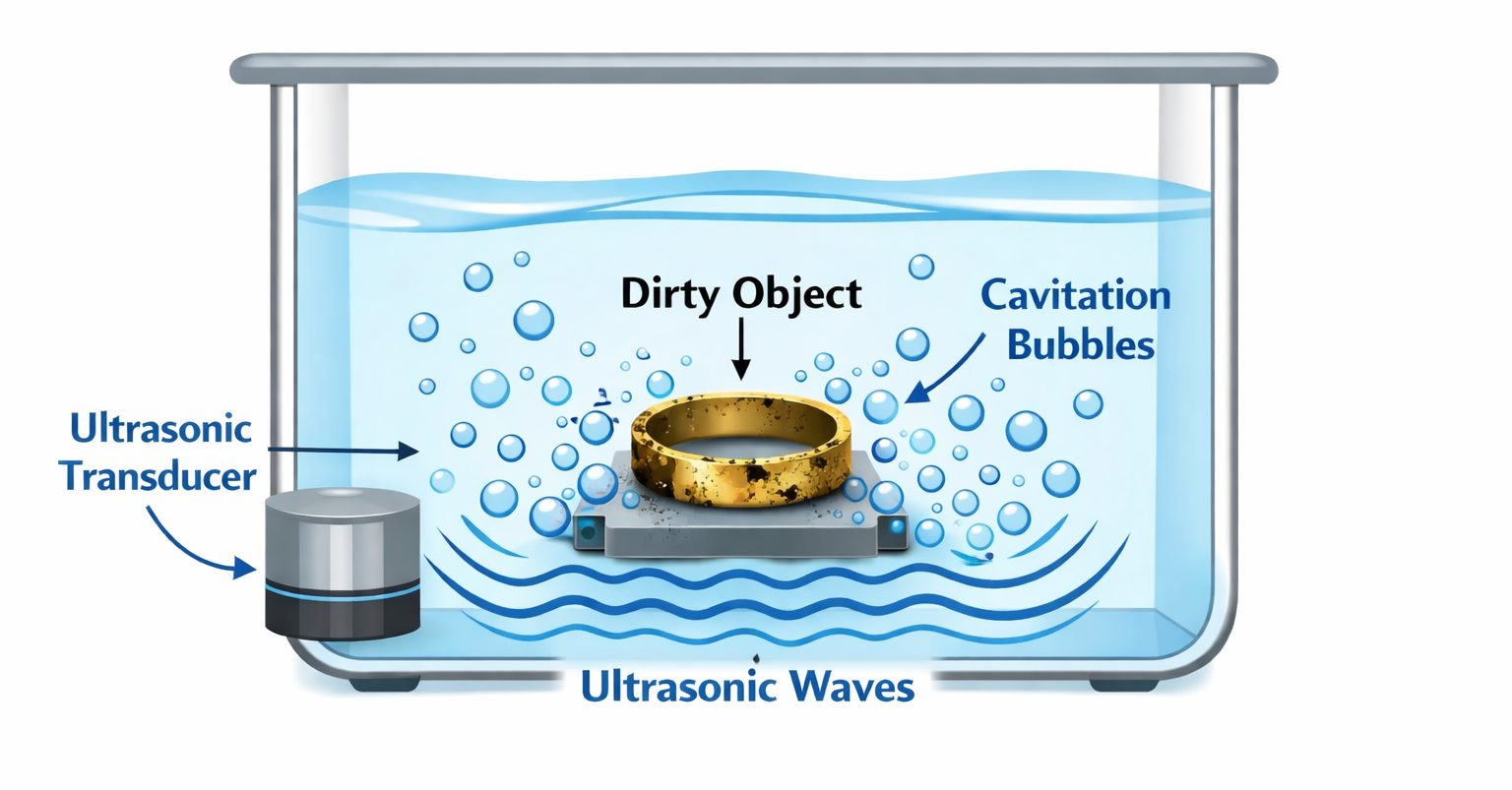
The object being cleaned sits in a tank filled with liquid.
Devices called ultrasonic transducers are fixed to the inside of the tank to create and send sound waves through the liquid at high speed, usually at 20 to 40 kHz.
These vibrations are what form the microscopic bubbles. The bubbles are invisible to the naked eye, but they are extremely powerful at a small scale. They can reach and clean places that brushes simply cannot.
The liquid is usually water mixed with a mild detergent. The detergent helps break down oils and grease. It also helps the bubbles form more easily.
Different materials may need different cleaning fluids. For example, metal tools may use a stronger mix, while delicate items such as electronics need a gentler solution. The right liquid makes a big difference in results.
Many industries depend on ultrasonic cleaning because it saves time and reduces labour. It is widely used for washing:
These items often have small holes, grooves, or threads, which are hard to clean. Ultrasonic systems reach them easily.
Yes, ultrasonic cleaning is safe when used correctly. The process is gentle on most materials. However, certain soft stones, fragile coatings, or thin plastics may need special care.
It goes without saying, but operators must also follow safety guidelines. Although the sound waves themselves are not harmful, direct contact with the liquid during operation is not recommended. Proper training will help to prevent these issues.
An ultrasonic parts washer usually takes 3 to 20 minutes per cleaning cycle.
Typical Time Ranges
For companies that deal with precision parts or high volumes of equipment, ultrasonic cleaning offers clear advantages. It reduces manual effort, lowers the risk of damage, and produces repeatable results.
It also supports better hygiene and quality control. Clean parts perform better and last longer. In industries where even tiny particles can cause problems, this level of cleaning is essential.
If you’re ready to upgrade your cleaning process or want to explore what an ultrasonic washing system can do for your business, simply get in touch with us on 01543 224608 and we’ll be happy to discuss your needs. Or email us at washers@unitech.uk.com. Our team is here to guide you, answer your questions, and help you find the perfect industrial washing solution.
This guide will walk you through everything you need to know about aqueous parts washers.
An aqueous parts washer uses water-based cleaning solutions instead of harsh solvents to remove oil, grease, and other contaminants from industrial parts. The word aqueous simply means ‘containing water’.
These washers rely on a mix of heat, water, and detergents to do the job that older solvent-based systems once did.
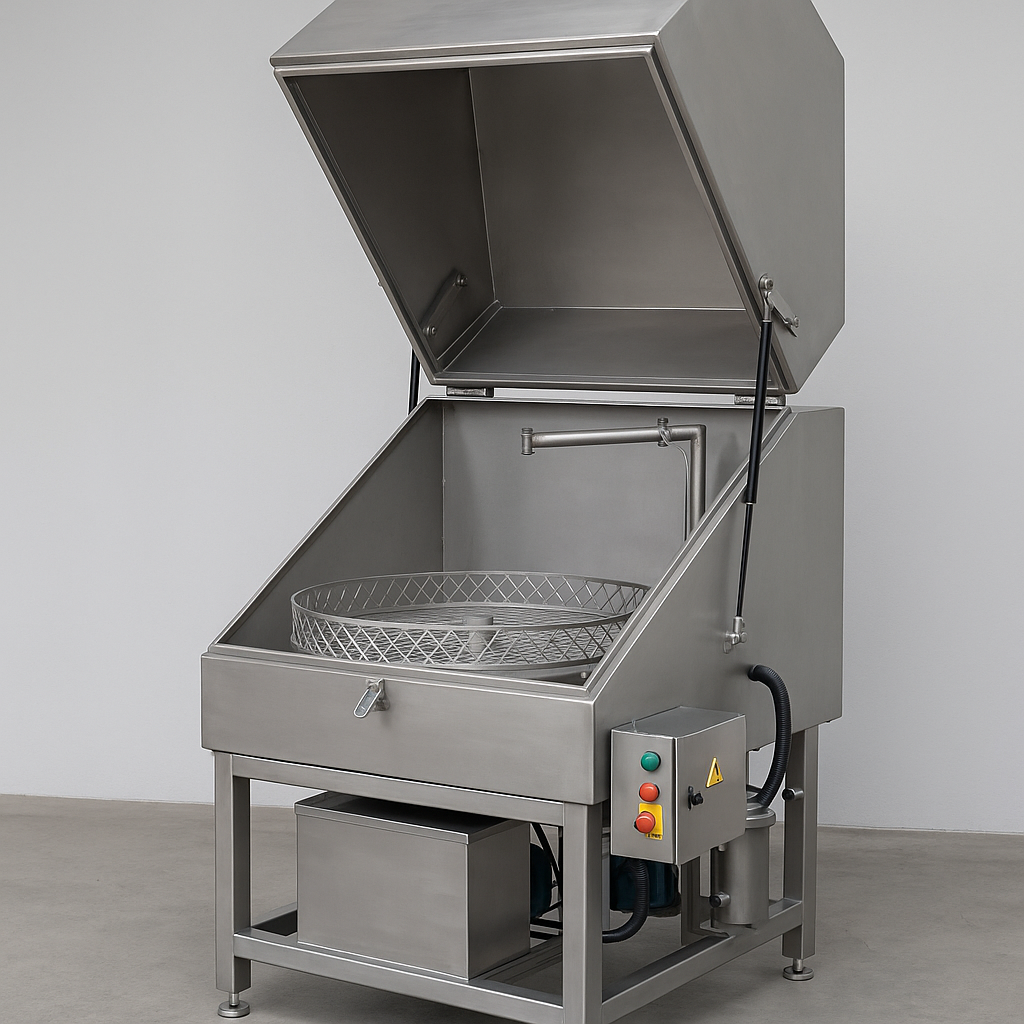
Most aqueous washers work on a similar principle. Dirty parts are loaded into a wash chamber or basket. Once the door is closed, jets of heated water mixed with detergent are sprayed or circulated around the parts.
The key to effective cleaning lies in four elements – often called the Sinner’s Circle:
By adjusting these four factors, you can achieve the right level of cleaning for almost any part.
After the wash cycle, the parts need to be dried to prevent rust and water spots. Many aqueous systems include built-in drying options, such as hot air blowers or heated chambers.
For metal components, quick drying is important to stop corrosion. Some systems even use compressed air or vacuum drying for delicate or complex parts. The goal is to make sure the parts come out ready for the next stage – whether that’s inspection, assembly, or packaging.
Aqueous washers are very adaptable. They can handle everything from small engine parts to large industrial components. In fact, almost any material that can safely come into contact with water can be cleaned this way.
Common applications include:
Engine blocks, gearboxes, cylinder heads, brake components, and housings.
Bearings, hydraulic fittings, valves, and precision assemblies.
Machined parts, tools, and metal fittings.

Stainless steel trays, conveyor components, and processing tools.
Because they don’t rely on solvents, aqueous systems are suitable for both metal and plastic parts.
There isn’t just one type of aqueous washer. The right system depends on what you’re cleaning and how much throughput your process requires.
Spray Washers use high-pressure jets of hot water and detergent. They’re perfect for larger parts or batches that need strong cleaning power.
Immersion Washers submerge the parts completely in a tank of heated cleaning solution. Agitation or ultrasonic energy helps loosen and remove dirt. These are ideal for intricate parts with hidden surfaces.
Conveyor Washers are built for continuous production lines. Parts move through different cleaning and drying stages automatically – great for factories that need high output and consistent results.
Rotary Drum Washers clean small components in bulk. The drum rotates to expose all sides of the parts while they’re sprayed or immersed.
Cabinet Washers work like large dishwashers. Load the parts, close the door, and let the cycle run. They’re efficient and easy to operate, especially for medium-sized batches.
The right choice depends on your production needs, the size of your parts, and how clean they must be after washing.
One of the biggest benefits of aqueous parts washers is their positive impact on the environment. Traditional solvent cleaners use volatile organic compounds (VOCs). These solvents need careful handling and disposal, and they often come with strict safety regulations.
Aqueous systems, on the other hand, rely on water-based solutions. They produce less hazardous waste and reduce the need for expensive disposal methods. The detergents used are often biodegradable and designed to break down oils and grease safely.
Selecting the right industrial parts washer starts with understanding your cleaning needs. Think about the size, material, and level of contamination of your parts. A small engineering workshop will need a very different setup from a large automotive plant.
Ask yourself:
At Unitech Washers, we can then help you find a solution that fits your workflow. Our systems are built for reliability, easy maintenance, and long service life.
If you’re ready to upgrade your cleaning process or want to explore what an aqueous system can do for your business, simply get in touch with us on 01543 224608 and we’ll be happy to discuss your needs. Or email us at washers@unitech.uk.com. Our team is here to guide you, answer your questions, and help you find the perfect industrial washing solution.
In the world of industrial and commercial washing, drying is just as important as cleaning. After items are washed, any leftover water can cause problems. That’s where an air knife drying system comes in. But what actually is it and what can be achieved? Let’s find out.
An air knife drying system uses high velocity air to remove water from items as they exit the wash cycle. The ‘air knife’ itself is a slim, elongated blade connected to a centrifugal blower or similar device. As products pass by, the knife directs a controlled stream of compressed air across the surface, pushing water away quickly and evenly.
This method works much faster than traditional drying techniques, making it ideal for high volume production lines where efficiency matters.
Not always. An air knife drying system removes most surface water by creating a strong ‘wiping’ effect over the product, similar to the final stage of a car wash. For situations where total dryness is essential, combining air knife systems with a heat tunnel is the most effective solution.
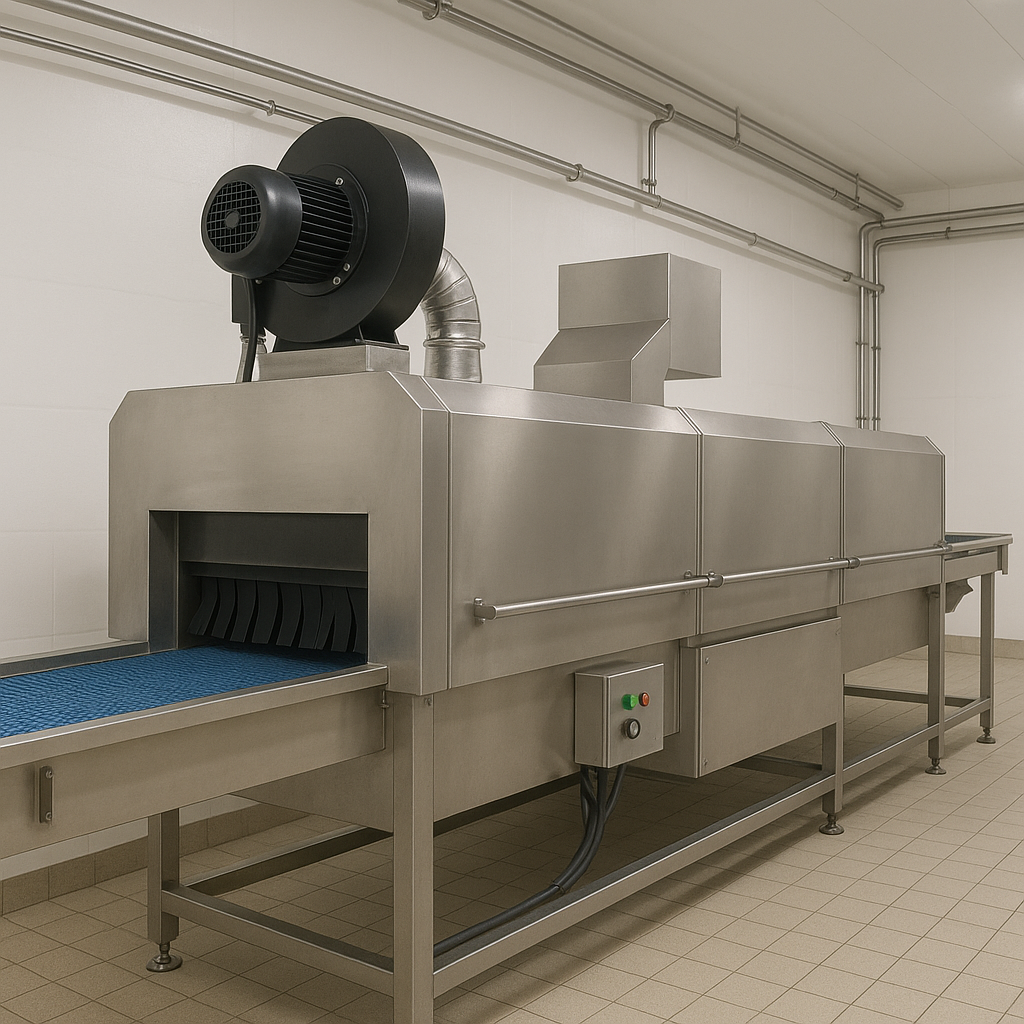
In industries where items must be washed and dried quickly, an air knife drying system is the perfect solution. It removes water without contact, reducing the risk of contamination or damage. By removing surface water, it also prepares products for the next stage of production, whether that’s packing, coating, or assembly.
In Unitech’s washing systems, air knife blowers are positioned after the wash and rinse stages. This setup makes sure products pass through the airflow immediately after washing.
Many of our clients in food processing, manufacturing, and engineering choose this option because it saves both time and energy.
Air knife systems offer several key advantages for industrial washing applications:
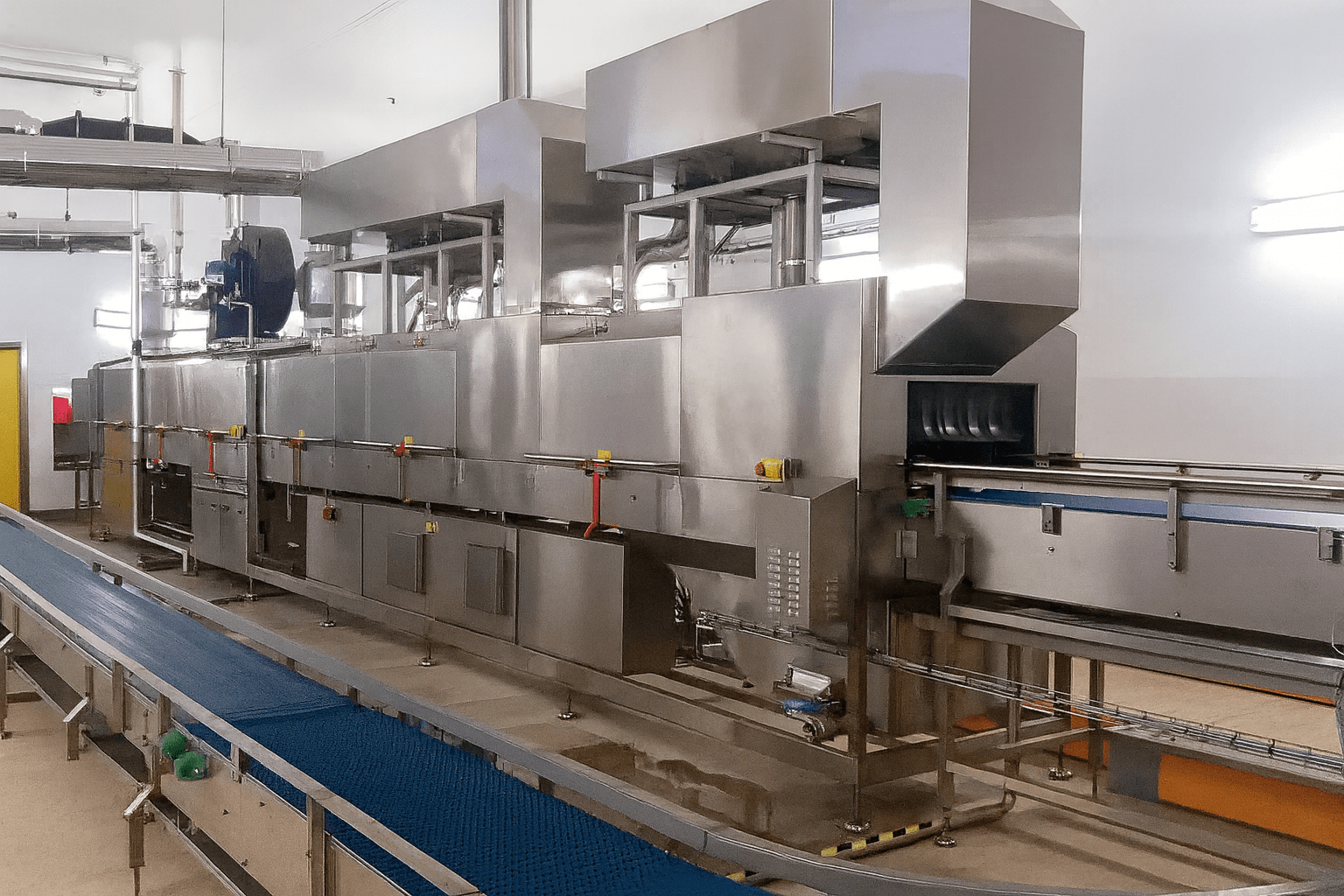
Traditional drying often relies on heated air, fans, or absorbent materials. While these methods can still work, they are usually slower and less efficient. Air knife systems, on the other hand, use focused streams of air to remove water instantly without relying on high temperatures.
This makes them ideal for sensitive items or products where heat could cause damage.
Unitech Washers has years of experience designing industrial washing systems that meet the needs of modern production lines. We offer air knife blowers as an optional feature to make your washing process faster and more efficient.
Our engineers design each system with precision, tailoring the solution to your products, production space, and speed requirements. Whether you need a compact washer or a large scale automated line, we integrate air knife drying technology where it delivers the most value.
If your current drying process slows down production or leaves items damp, an air knife system may be the solution.
If you want to improve your production process, simply get in touch with us on 01543 224608 and we’ll be happy to discuss your needs. Or email us at washers@unitech.uk.com. Our team can guide you through the best solutions for your business and show you how an air knife drying system can make a real difference.
If you own a food processing business, the chances are you’ll be dealing with food trays and plastic food crates on a daily basis. But what happens to them once the contents are emptied? They need to be washed! We take a look at the importance of crate washers in the food industry and how they can help your business meet hygiene standards, maintain the quality of your products and more.
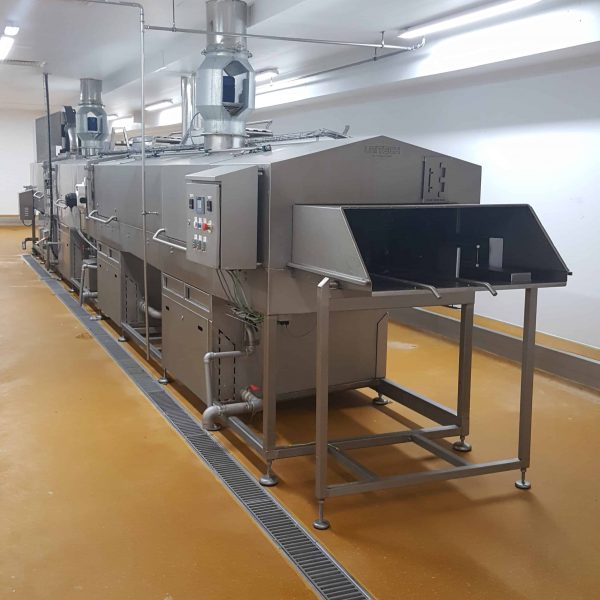
A food industry crate washer uses a combination of water, detergent, and mechanical action to clean trays. Here’s a simple breakdown of how a typical machine operates:
The entire process is automated for consistent and reliable cleaning, helping your business save time and money.
One big reason for this – it’s to ensure food safety and hygiene. Dirty trays and crates can harbour bacteria, mould, and other contaminants that pose a risk to food quality and consumer health. Regular and thorough cleaning with a crate washer helps eliminate these risks, helping your business to comply with all relevant hygiene and safety regulations.
What’s more, clean crates won’t affect the quality and intended taste of the food!

Crate washers can be built to handle a variety of crates used in different stages of food processing and handling. Here are some common types of crates that can be washed:
Used in bakeries and confectioneries, baking trays and crates can accumulate grease, dough, and batter residues from products such as bread and chocolate.
Crates used for handling and processing meat and poultry need rigorous cleaning to remove blood, fat, and other residues.
Crates for sorting, washing, and packaging fruits and vegetables can get covered with soil, pesticides, and organic matter.
Dairy crates, which may hold products like cheese, butter, and yoghurt, require thorough cleaning to remove dairy residues that can spoil quickly.
Handling seafood involves dealing with fish scales, slime, and strong odours.
Crates used for packaging various food items need to be clean to avoid contaminating the packaged food.
Crates used for freezing food can have residues from frozen products.
Unitech manufactures tray washers to help with the cleaning of all of these crates, making sure they’re ready for reuse without contamination.
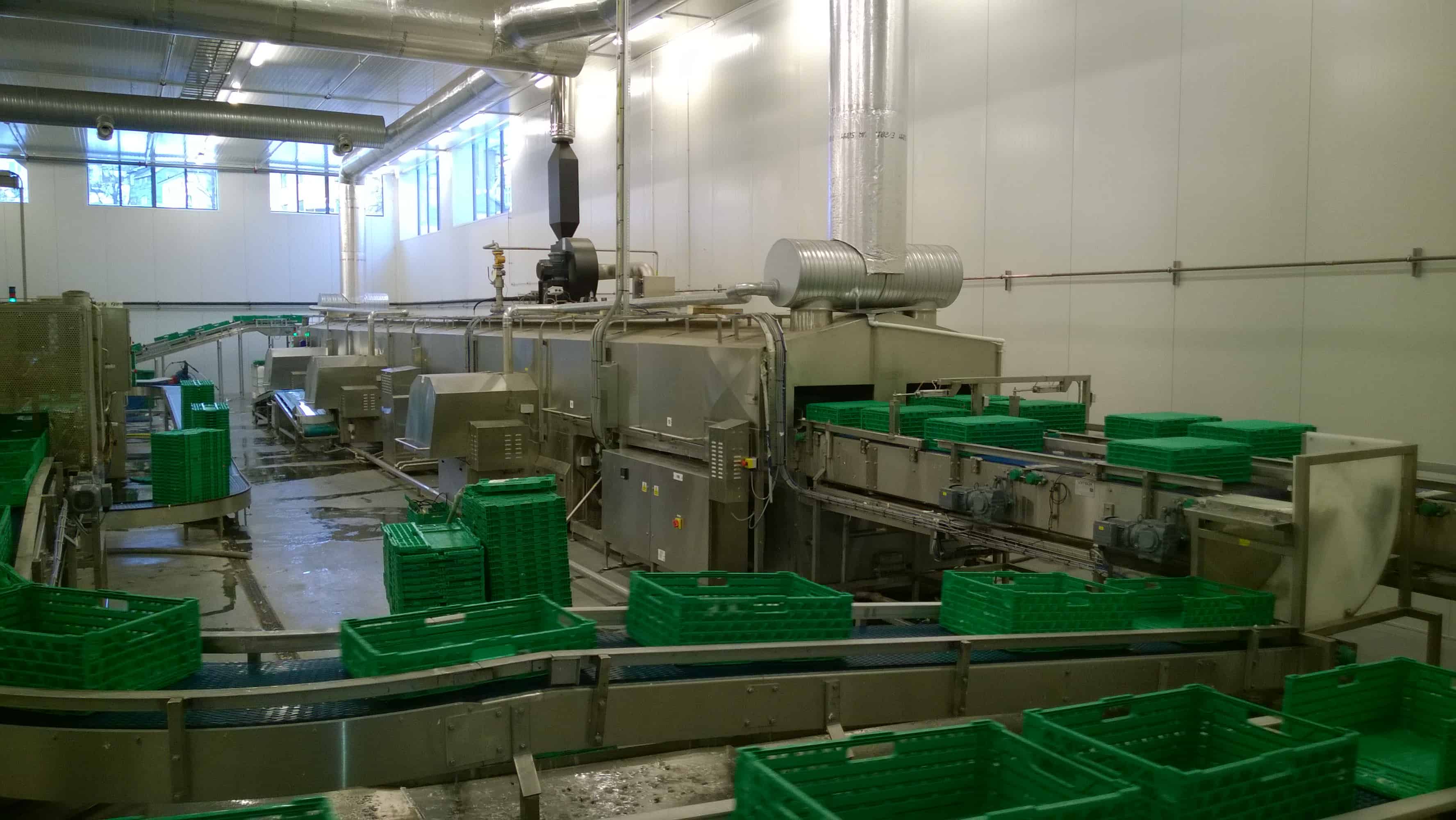
Continuous tray washing machines from Unitech are able to wash anywhere from 100 units per hour up to 6000 units per hour. Smaller, compact tray washers are capable of washing between 50 to 400 units per hour.
For a more accurate answer, other factors need to be taken into account. This includes the size of the trays/crates, the level of soiling, and the wash cycle duration.
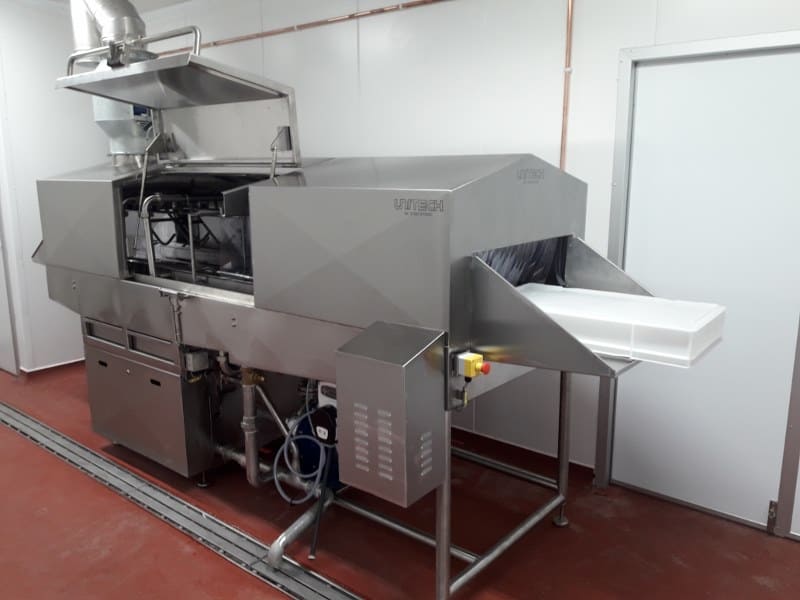
Looking to purchase a machine for your food processing facility? It’s worth going through a few things quickly first.
At Unitech, we can manufacture and supply crate washers which tick all of the above.
Our food crate washers are constructed using the latest hygienic principles and best practices. Our team is committed to producing the highest quality cleaning systems that deliver reliable results. Contact us today on 01543 224608 and we’ll be happy to discuss your needs.
At Unitech Washers, we know a thing or two about keeping working environments sterile and safe. It’s the core of our business. So if you need to manage how dirt enters and exits your food production areas – you’re in the right place. Without throwing too much information at you, we’ll explain the key benefits of boot washers and why we think they’re a great investment.
Let’s start with the obvious one first. Afterall, maintaining a high standard of hygiene is absolutely paramount in food processing facilities.
Boot washers provide an efficient, automated cleaning solution that helps remove dirt and grime that could be carried into the facility on workers’ footwear. Our washing systems use high pressure water jets and disinfectants to ensure that no unwanted germs make their way past your doors.
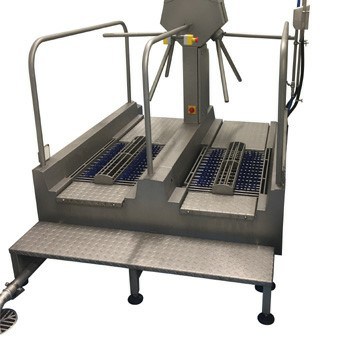
One of the major causes of food poisoning from food production environments is cross contamination. This occurs when harmful bacteria, allergens, or other pathogens are transferred from one surface to another, potentially compromising food safety.
For example, a worker in a meat processing plant finishes a shift handling raw poultry and moves to a packaging area where cooked products are sealed. If the facility lacks proper hygiene protocols, the bacteria can be easily carried and deposited from the workers shoes into the packaging area. Other workers (or even a piece of equipment) could pick up the bacteria and come into contact with the cooked products, contaminating them.
By cleaning the boots of employees as they transition between different zones, boot washers eliminate harmful particles and reduce the risk of contaminating food products.
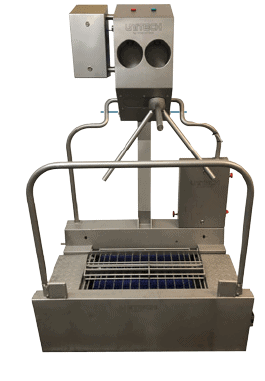
So what are the consequences if a boot washer isn’t installed?
Above all, it can impact people’s health. Additionally, there could be serious legal repercussions for the business too.
A boot washing station will ensure that your facility keeps a strong barrier against these risks, safeguarding your products, your brand reputation, and ultimately, public health.
In the UK and Europe, food safety regulations are rigorous and designed to ensure the highest standards of hygiene and safety in food processing environments. This includes the management of personal hygiene and the use of appropriate cleaning and disinfecting equipment, such as boot washers, to prevent the introduction of contaminants into critical areas.
Finally, by opting to choose an automated boot washer, you can significantly reduce the time employees spend on manual boot cleaning. This allows workers to move quickly and safely into production areas, boosting overall operational efficiency.
Our customers report noticeable improvements in workflow and reduced downtime related to hygiene maintenance.
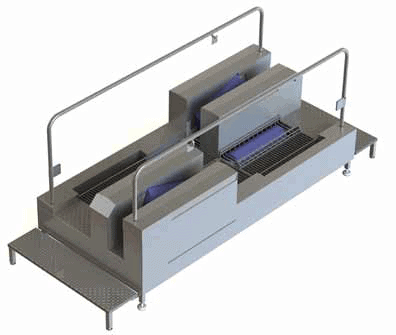
Unitech has a proven track record of delivering boot washers that meet and exceed customer expectations. Many businesses across various industries have benefited from our washers, making them a reliable choice for your cleaning needs. From installation to maintenance and troubleshooting, Unitech’s team of experts is ready to assist you every step of the way.
Manually cleaning parts is often tedious and time consuming. Here at Unitech, we’ve seen first hand how the shift from manual to automated washing processes can transform operations. Automatic parts washers are no different, helping to eliminate various contaminants including oil, grime, dirt, paint, and other residues with little to no supervision required.
We take a look at all of the benefits of automated washers and how they can help your business.
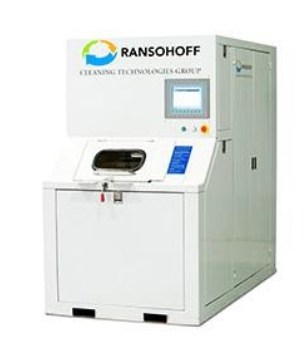
Manual washing, while traditional, is labour intensive, time consuming and often inconsistent. When you weigh up the time required for manual cleaning against the efficiency of an automatic parts washer, there’s simply no contest. An automatic washer doesn’t just allow you to clean a higher volume of parts each day; it also allows your team to focus on other important areas of your business.
Automated parts washers deliver superior cleaning results consistently. Thanks to advanced technology, they can target dirt, grease, and contaminants at a microscopic level, something manual cleaning can rarely achieve. This means a deeper clean, ensuring that parts function optimally for longer. In industries where precision cleaning is paramount (such as aerospace and automotive), this can significantly improve the performance and reliability of components.
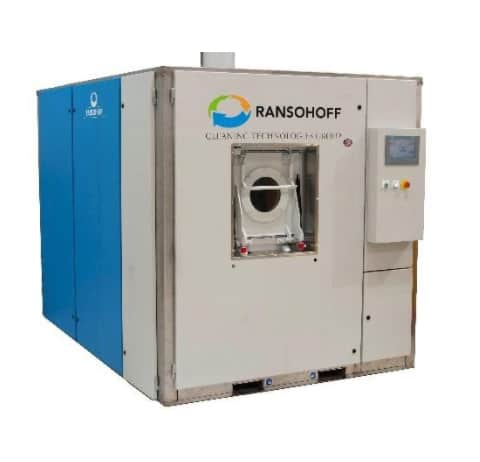
In today’s environmentally conscious landscape, businesses are prioritising the reduction of energy and water usage. Automated parts washers stand out in this effort, offering significant savings on water without compromising on cleaning power. These systems cleverly recirculate and filter water, making it easier for your business to meet its sustainability targets.
Switching to an automated parts washer might seem like a big investment at first, but it’s a smart move that pays off in the long run. The beauty of it lies in the substantial cost savings you’ll enjoy down the line. Think less labour costs, reduced water usage, and minimal waste – all of which add up to a healthier bottom line. Plus, when your parts are kept squeaky clean, they last longer, meaning you’ll spend less on replacements over time.
Automated parts washers can clean any size part, from small engine components to large aerospace parts. These systems are able to clean even the most complex parts quickly and accurately, ensuring a thorough clean every time.
As the demand for precision cleaning grows, so does the variety of automated parts washers. Here’s a brief overview of the types of washing systems you might want to consider for your business:
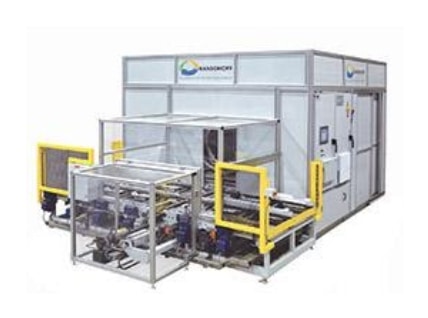
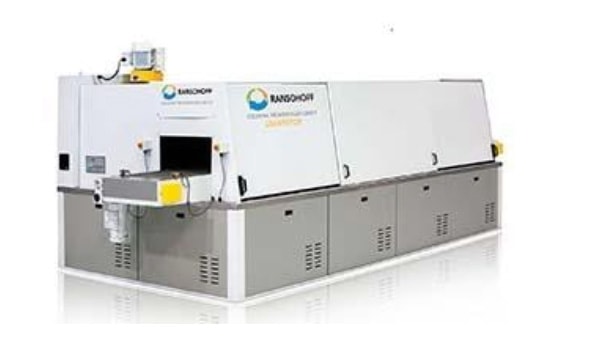
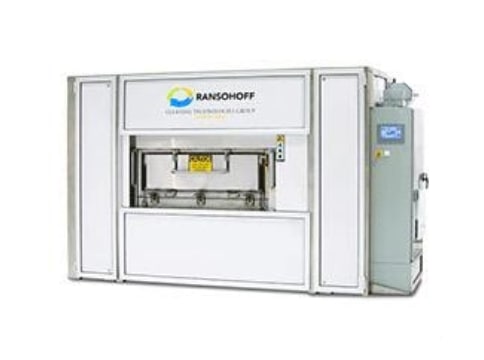
Ideal for smaller parts, cabinet washers are compact and efficient, using high pressure jets to blast away dirt and grease.
Using high frequency sound waves, ultrasonic washers can clean intricate parts to a microscopic level, perfect for delicate or complex components.
Designed for high volume cleaning, conveyorised washers move parts through different cleaning stages, offering a continuous cleaning solution.
These washers submerge parts in a cleaning solution, using agitation, rotation, or ultrasonic waves to dislodge contaminants.
Using water based solutions, aqueous washers are an environmentally friendly option that can efficiently remove a wide range of substances.
Rotary basket washers use a spinning basket filled with cleaning agents to remove heavy contamination from components. Great for uniformly cleaning small to medium parts, spinning them through cleaning and rinse cycles.
Investing in an automated parts washer isn’t just about buying a piece of equipment – it’s about upgrading your entire cleaning process for the better. From superior cleaning results to significant cost savings and environmental benefits, the advantages are clear. And with Unitech, you’re choosing a partner that’s committed to helping you achieve these goals every step of the way. Get in touch with us on 01543 224608 for more information.
Aerospace parts are often exposed to harsh environments, extreme temperatures, and various contaminants during usage. Keeping these parts clean and in pristine condition is crucial for the performance and safety of aircraft – helping to remove unwanted substances such as dirt, oil, lubricants and more. But how is the whole cleaning process carried out? We explore three common cleaning procedures below.
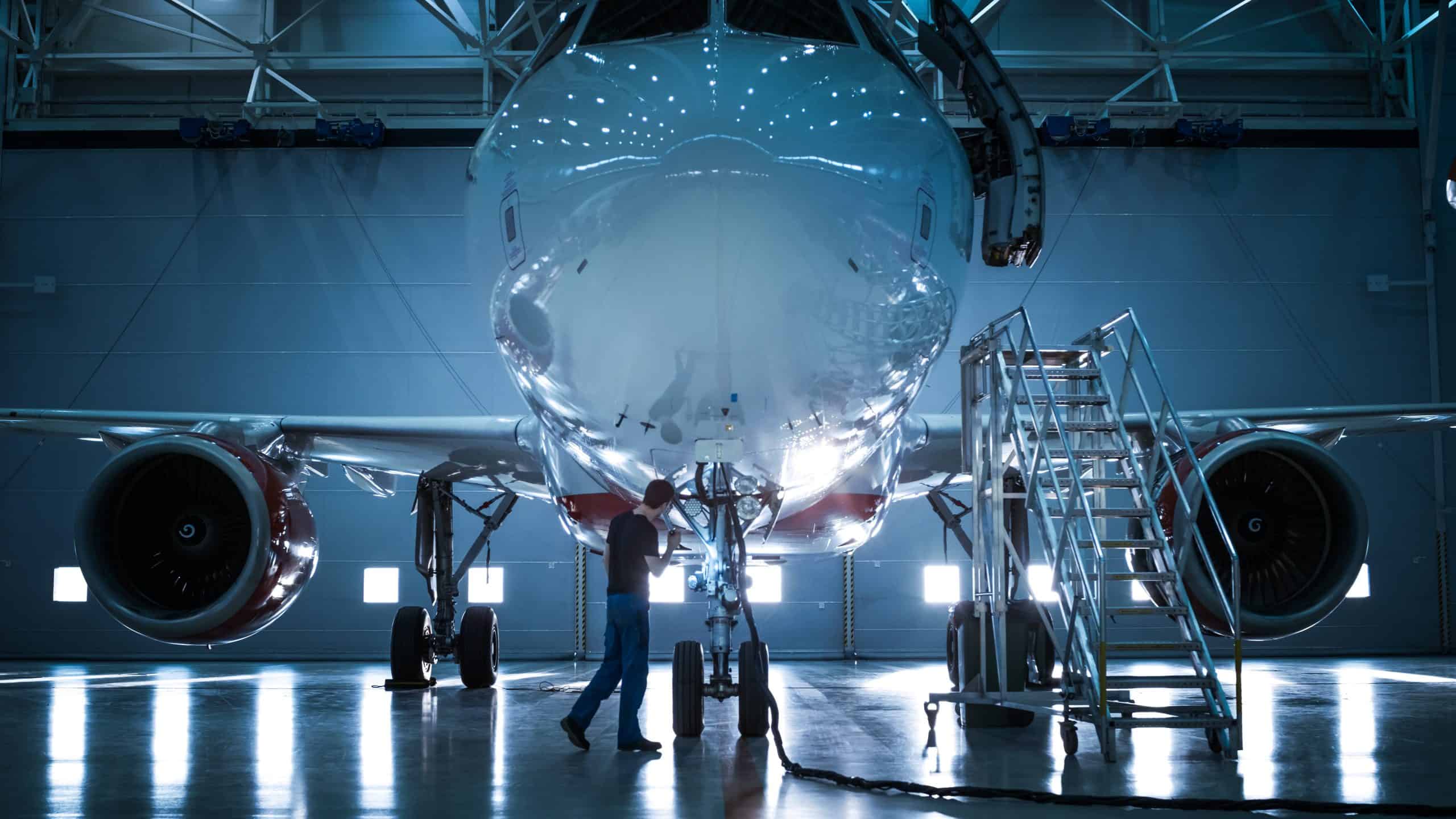
Solvent cleaning is a widely used technique in aerospace maintenance to help remove contaminants such as grease, oil, dirt, and debris from aerospace components.
How Does it Work? – Solvent cleaning uses specialised cleaning agents to dissolve and remove contaminants. The solvent evaporates, leaving the parts clean and residue-free.
Solvent cleaning is particularly effective for parts with intricate designs or components where water-based cleaning methods may not be suitable. You’ll usually experience faster drying times compared to aqueous methods, helping to minimise downtime.
The aerospace industry uses high pressure water jetting to clean a range of aerospace parts. High-pressure water jetting is particularly effective for removing stubborn substances like rust or paint.
How Does it Work? – Pressurised water is expelled through a nozzle, creating a focused and powerful stream – used for blasting away contaminants.
High pressure water jetting is efficient and environmentally friendly, using water as the primary cleaning agent. It’s an incredibly effective cleaning method which tends to work well on larger parts such as turbine blades.
Ultrasonic cleaning is a highly efficient and gentle method employed in aerospace part maintenance.
How Does it Work? – Ultrasonic washers use high-frequency sound waves to create microscopic bubbles that agitate the cleaning solution. This agitation helps dislodge contaminants from the surface of aerospace parts, including small, intricately designed parts, as well as larger industrial components.
Ultrasonic cleaning is a safe and effective method for aerospace parts. It delicately cleans components, removing all contaminants without the need for harsh chemicals that can cause damage.
It’s an automated cleaning process which is designed to help save you money and time. Simply place the part in the cleaner, choose the appropriate cleaning cycle, and let the machine do its job. Depending on the part’s size, ultrasonic cleaning can be finished in as little as ten minutes.
We offer a range of industrial cleaning systems for your cleaning needs. Our ultrasonic washers are a reliable choice for aviation parts manufacturers, guaranteeing high quality results for the most demanding of standards. For any more information, feel free to contact us on 01543 224608.
Are you still manually washing pallets at your facility? It might be time to consider upgrading to an automatic pallet washer, a decision that can significantly improve cleanliness, efficiency, and overall hygiene for your operations.
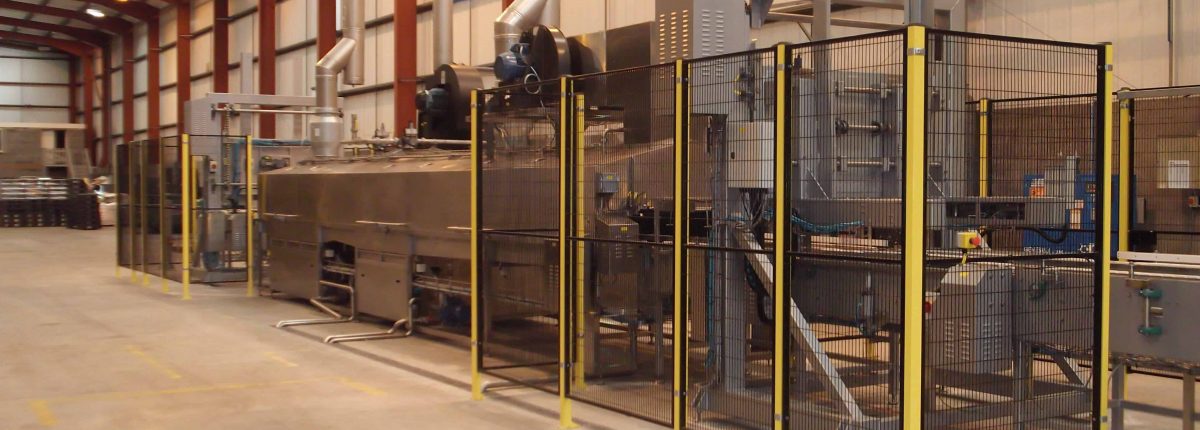
Maintaining a safe and hygienic supply chain is essential in industries that rely on pallets for shipping, storage, and handling goods. Pallets serve as the backbone of logistics, but they can also harbour dirt, debris, grime, germs, and bacteria that pose contamination risks to products and environments. Proper pallet washing can not only help extend the life of pallets, but it’s also key to preventing contamination, which is especially important in operations handling food and pharmaceuticals.
Automatic pallet washing machines offer numerous benefits including:
High Volume Handling: Automatic pallet washers can efficiently handle large quantities of pallets, significantly increasing throughput.
Cost Savings: While the initial investment in an automatic pallet washer may seem significant, it pays off in the long run. Reduced labour costs, lower water and chemical consumption, and fewer rejected products all contribute to substantial cost savings over time.
Compliance with Regulations: Many industries have strict regulations regarding pallet hygiene. Automatic pallet washers ensure compliance with these regulations, reducing the risk of fines and product recalls due to contamination issues.
Eco Friendly: Automatic pallet washers are designed to be environmentally friendly. They use fewer resources, generate less wastewater, and consume fewer chemicals, helping your company reduce its environmental impact and promote sustainability.
We’re not here to completely discount the advantages of manual pallet washing. For a start, it can prove cost effective for smaller operations as it requires minimal investment. It’s also a much more economical solution if there are only ever a few pallets to be washed.
However the biggest drawback of manual pallet cleaning is that it’s incredibly time consuming and labour intensive. The effectiveness of a wash largely depends on your workers skills and diligence, which can lead to inconsistent cleaning.
So for those that require a consistent and high level of cleanliness, upgrading to an automatic pallet washing machine may be a better option.
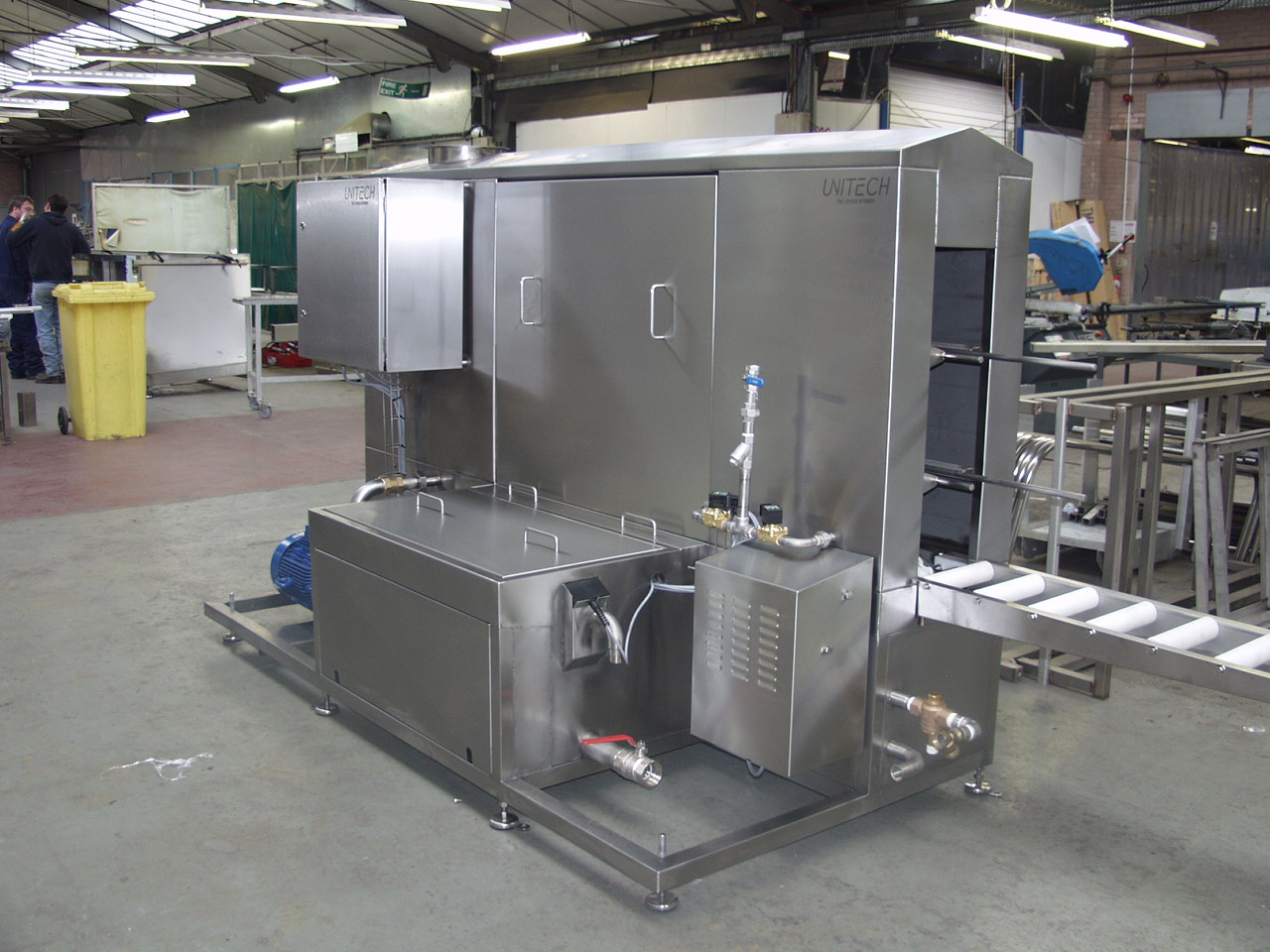
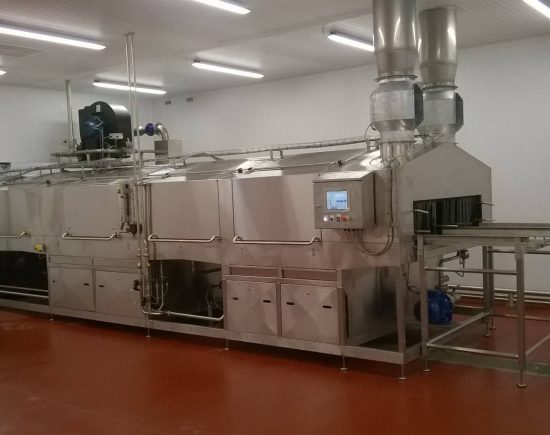
Unitech has a proven track record of delivering pallet washers that meet and exceed customer expectations. Many businesses across various industries have benefited from our washers, making them a reliable choice for your cleaning needs. From installation to maintenance and troubleshooting, Unitech’s team of experts is ready to assist you every step of the way.