In this article, we explain how automotive components are cleaned, the washing methods commonly used and why we think industrial washing systems are so important for this industry.
Common Automotive Parts That Need Cleaning
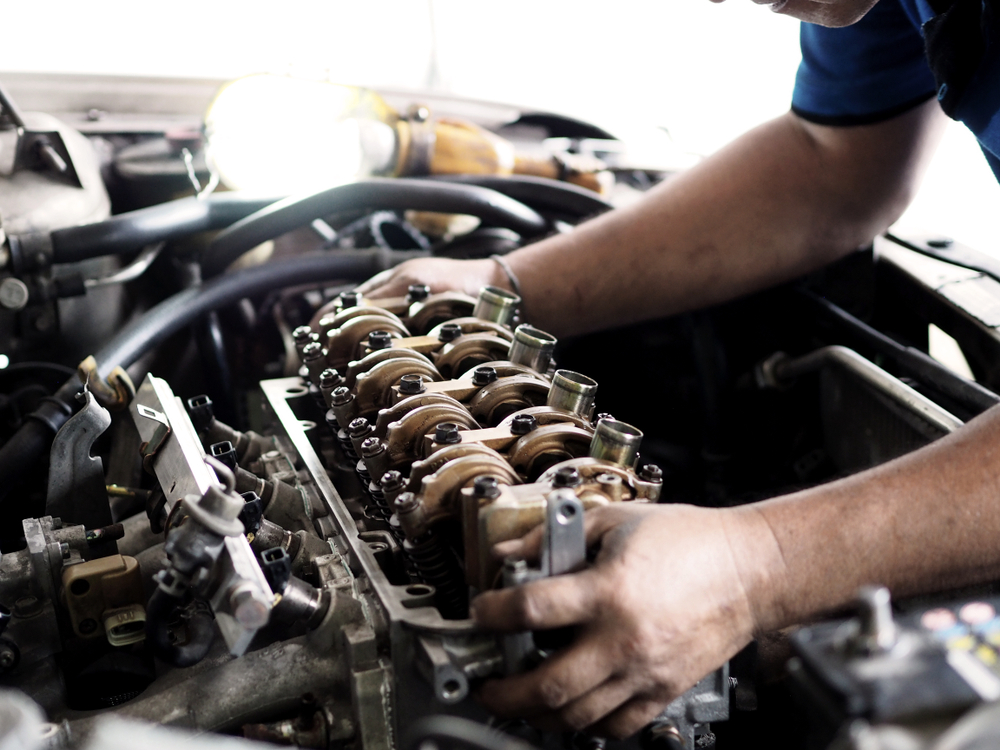
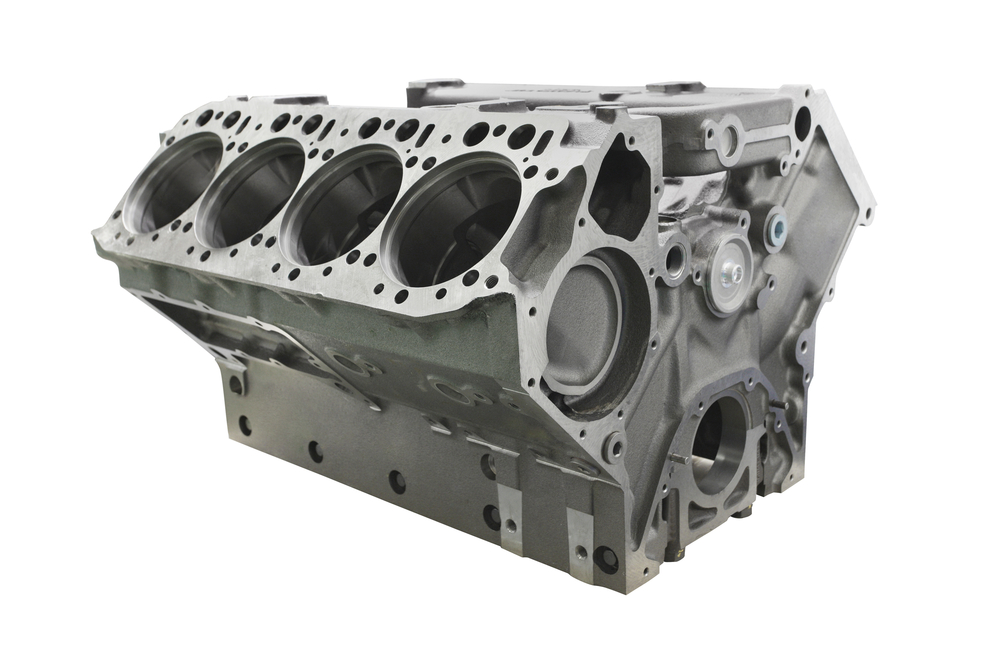
Engine Components: Engine blocks, cylinder heads, pistons and valves often collect oil, carbon and metal debris during production and use. These parts usually require deep cleaning before inspection, repair or reassembly.
Transmission and Gearbox Parts: Gearboxes contain lubricants and fine metal particles created through wear. Cleaning removes this contamination before repairs or rebuilding work begins.
Brake Components: Brake parts must stay clean to work safely. Dust, grease or oil contamination can affect braking performance.
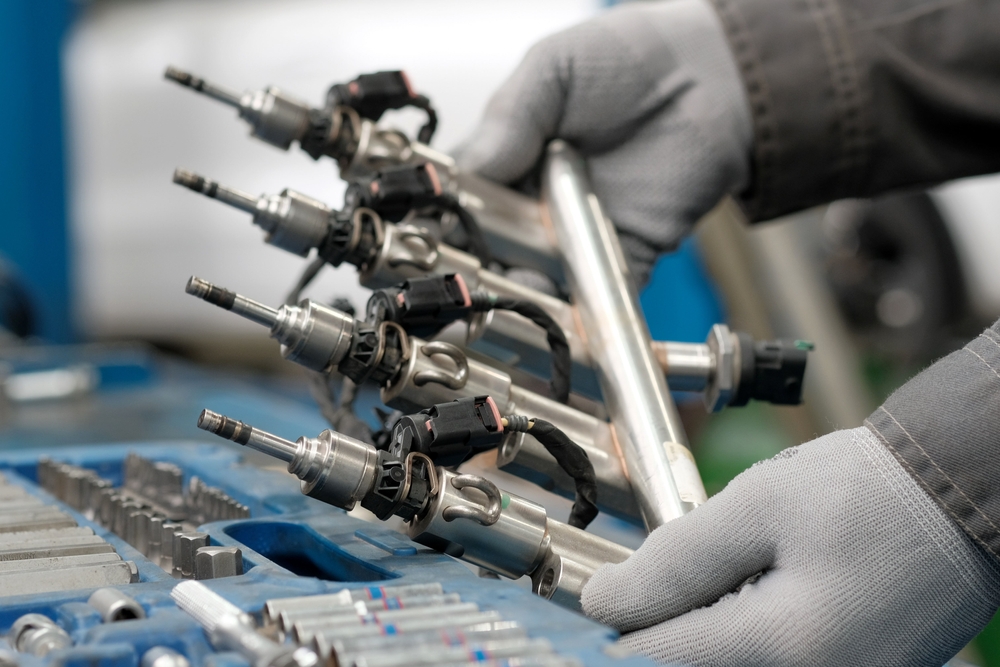
Fuel System Parts: Injectors, fuel rails and pumps need very clean internal surfaces to prevent blockages and maintain fuel flow.
Metal Casings and Housings: Covers, housings and fabricated parts are often cleaned before painting, coating or final assembly.
How Automotive Parts Are Cleaned
Different cleaning methods are used depending on the type of component, the level of contamination and the production environment.
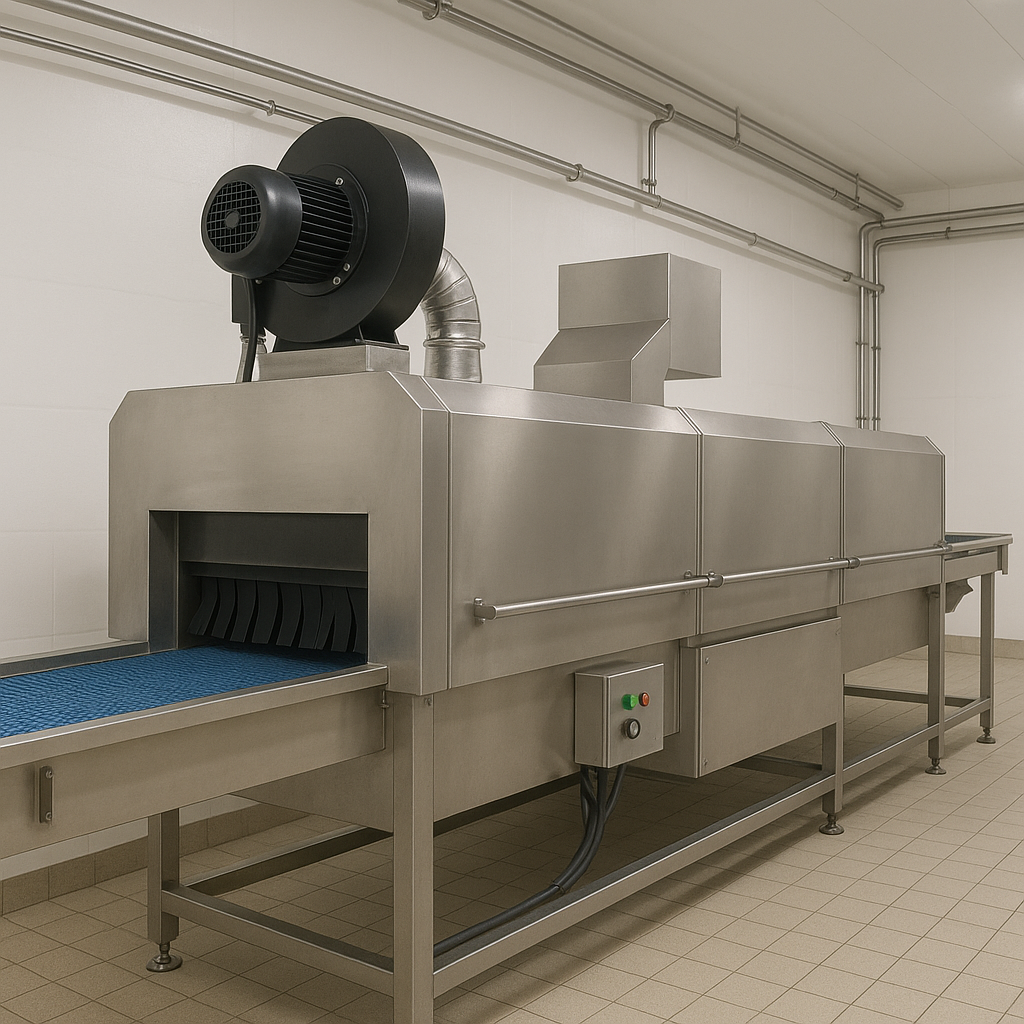
Industrial parts washers are often the preferred option because they can clean parts quickly and consistently.
Aqueous Parts Washing
Aqueous cleaning uses water-based cleaning solutions combined with heat, pressure and detergents to remove contamination.
This is one of the most common methods used in automotive manufacturing.
Parts are placed inside a washing chamber where sprays, jets or immersion systems clean the surfaces thoroughly.
The process helps remove:
- Oil and grease
- Dirt and dust
- Machining fluids
- Carbon deposits
- Light rust
Aqueous cleaning systems are popular because they avoid many of the harsher chemicals used in older cleaning methods.
Spray Washing Systems
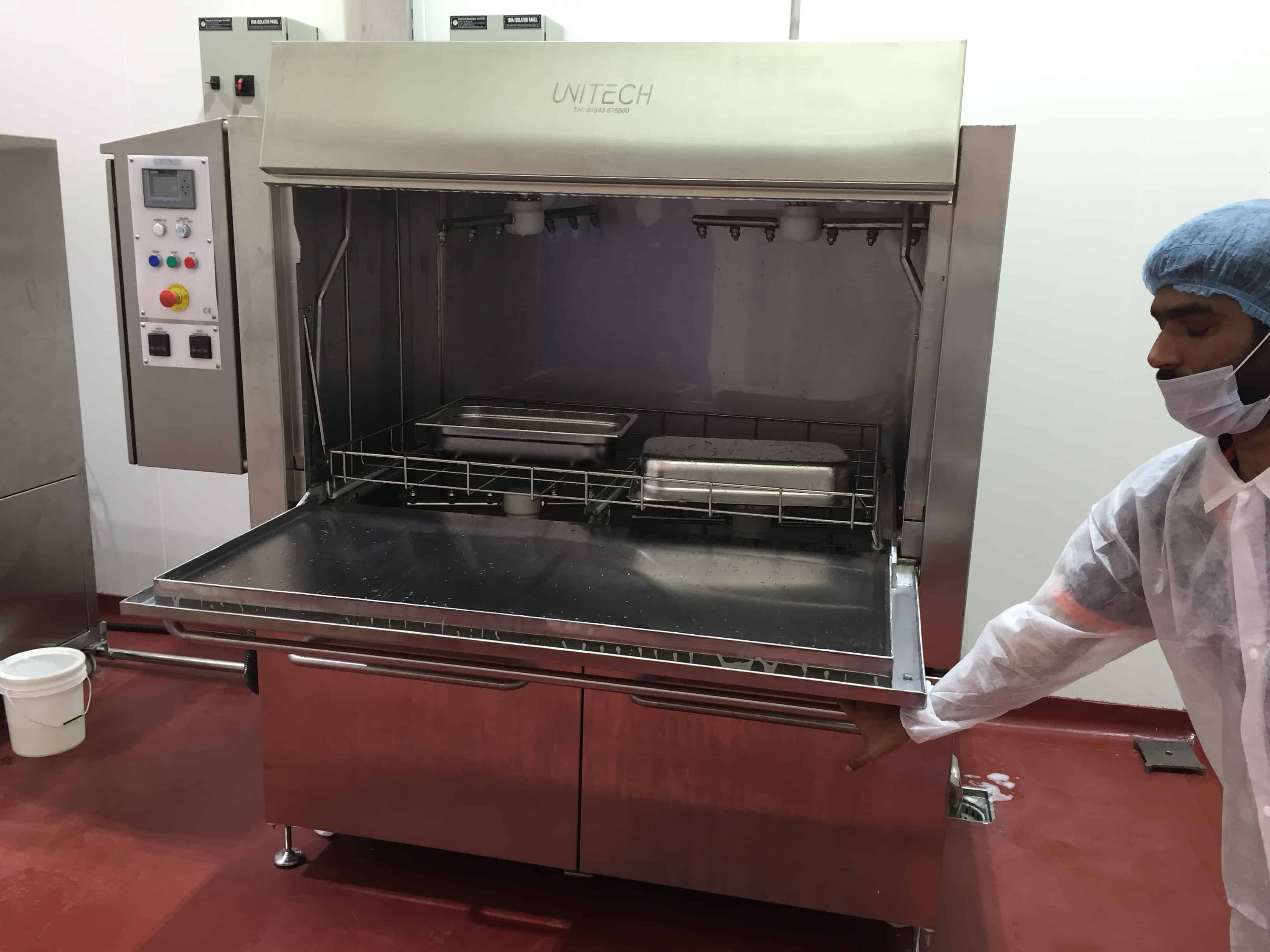
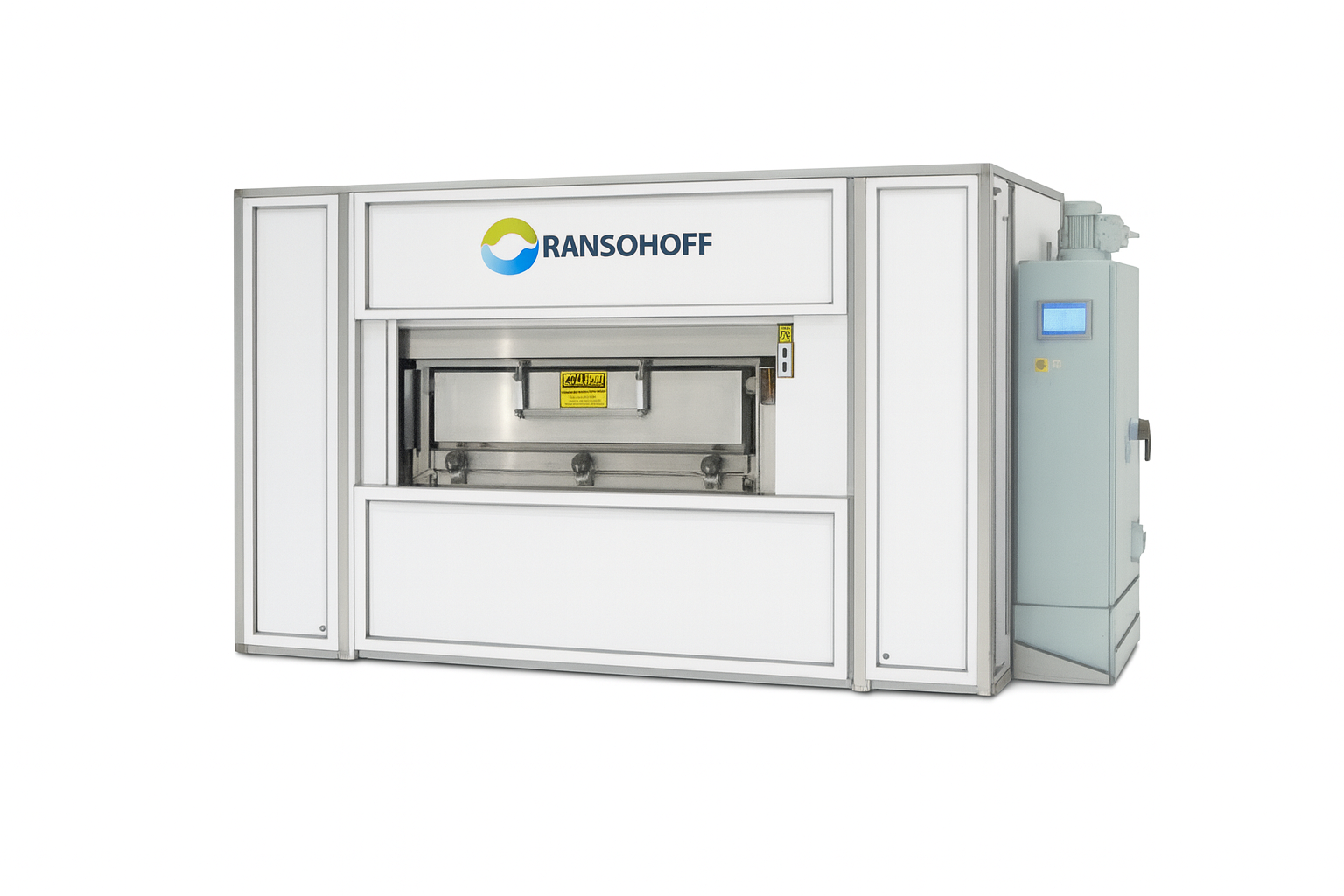
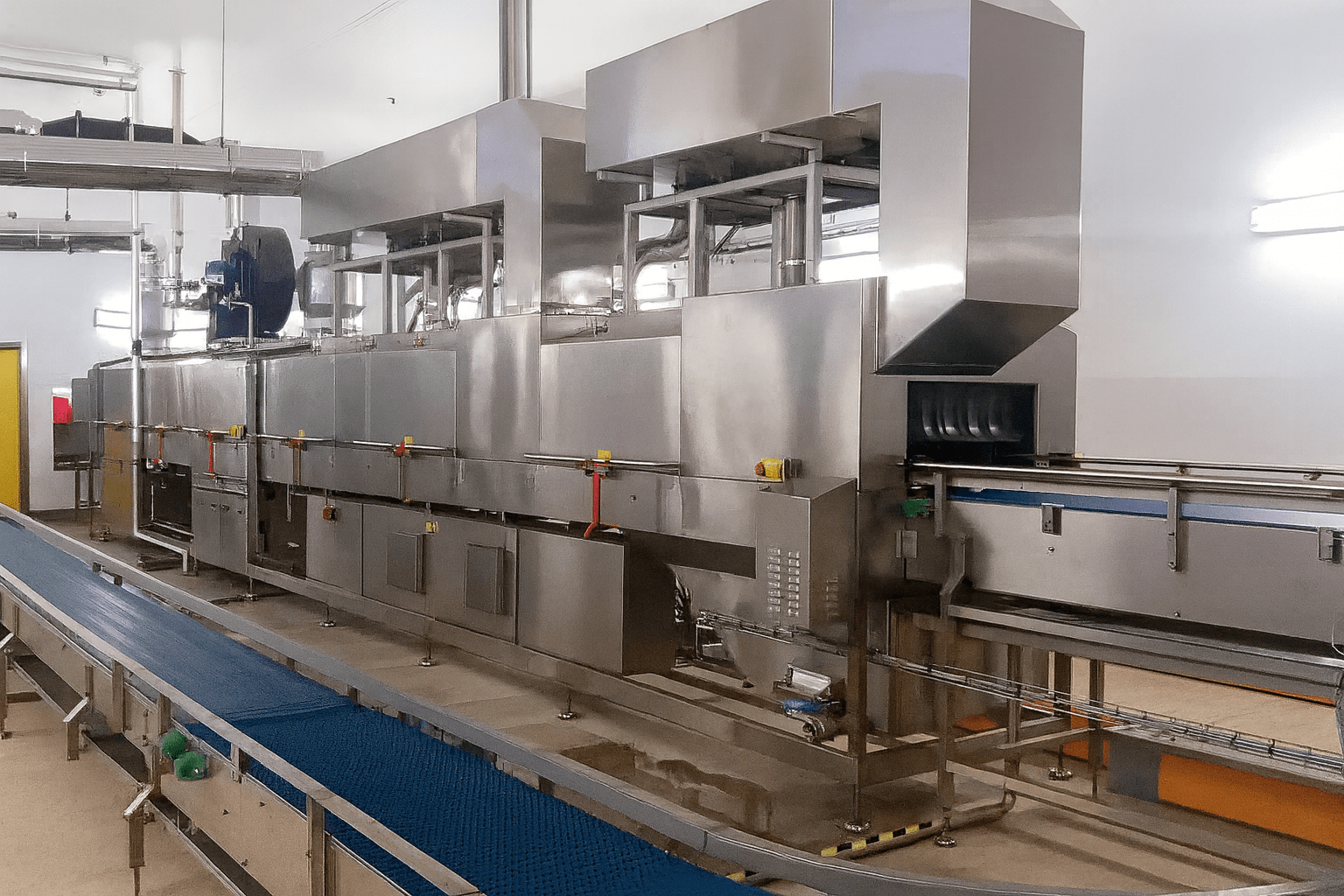
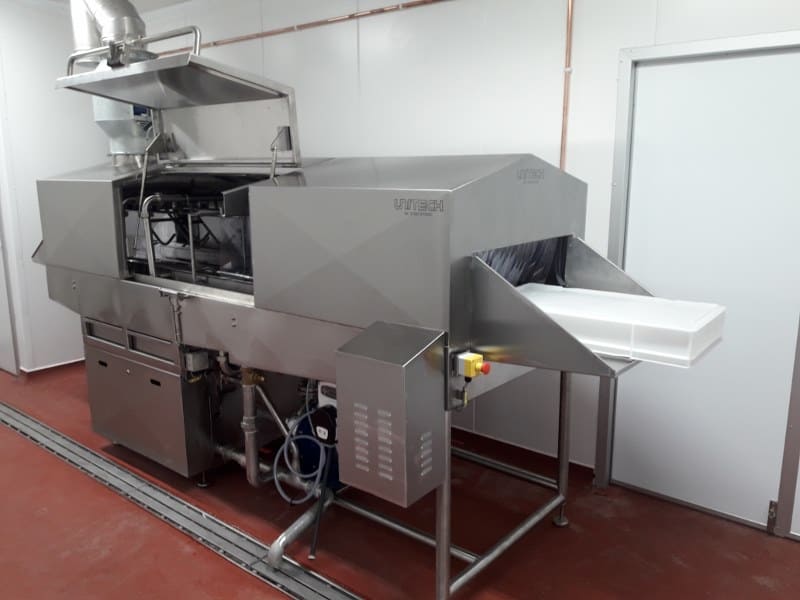
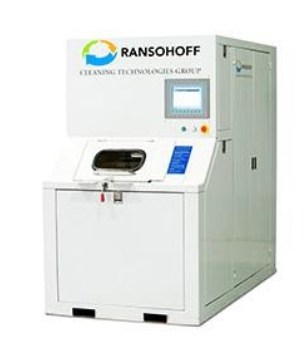
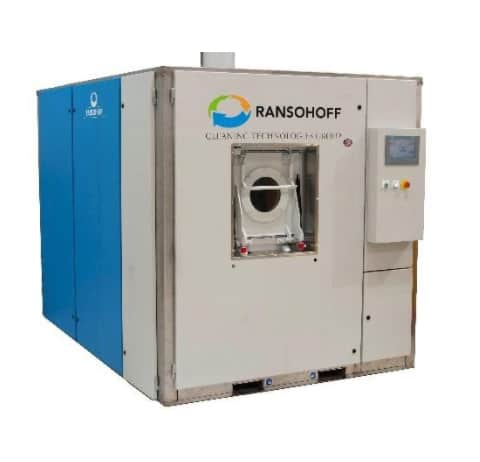
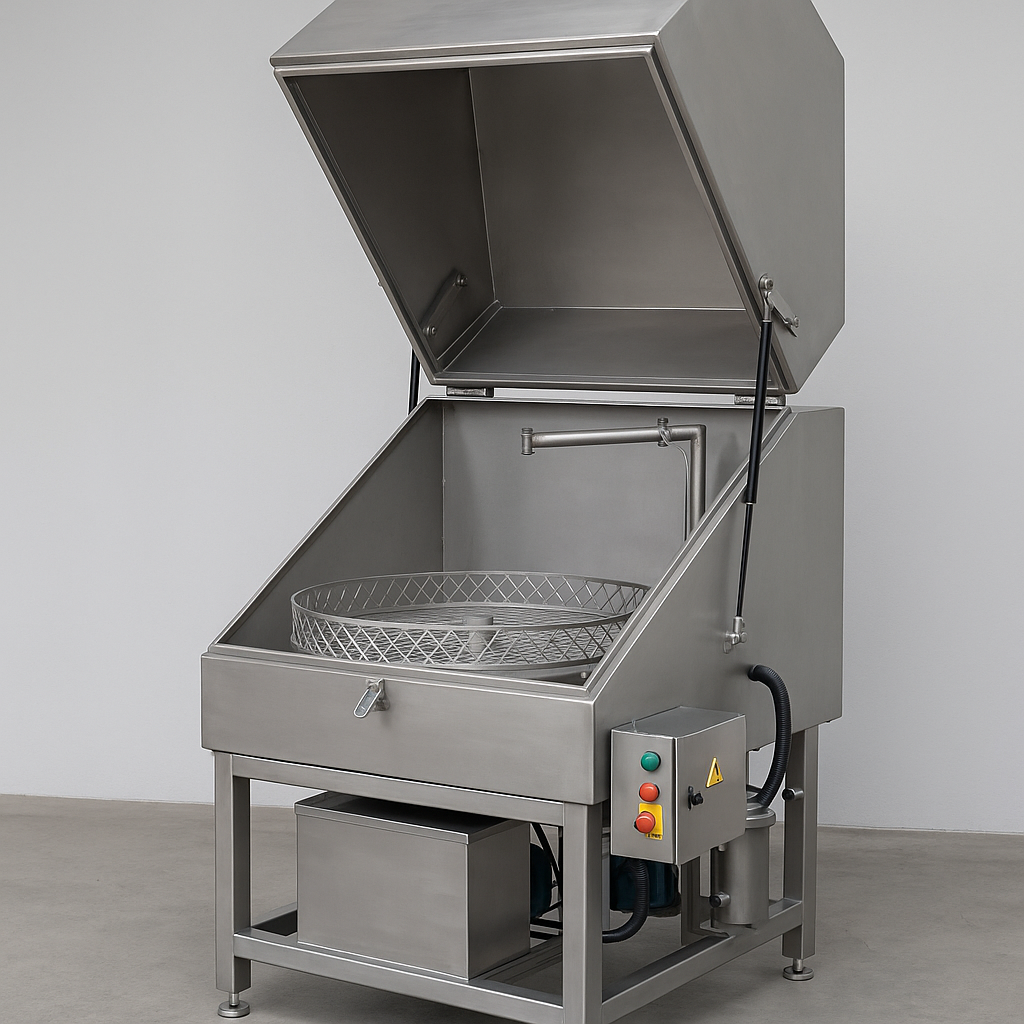
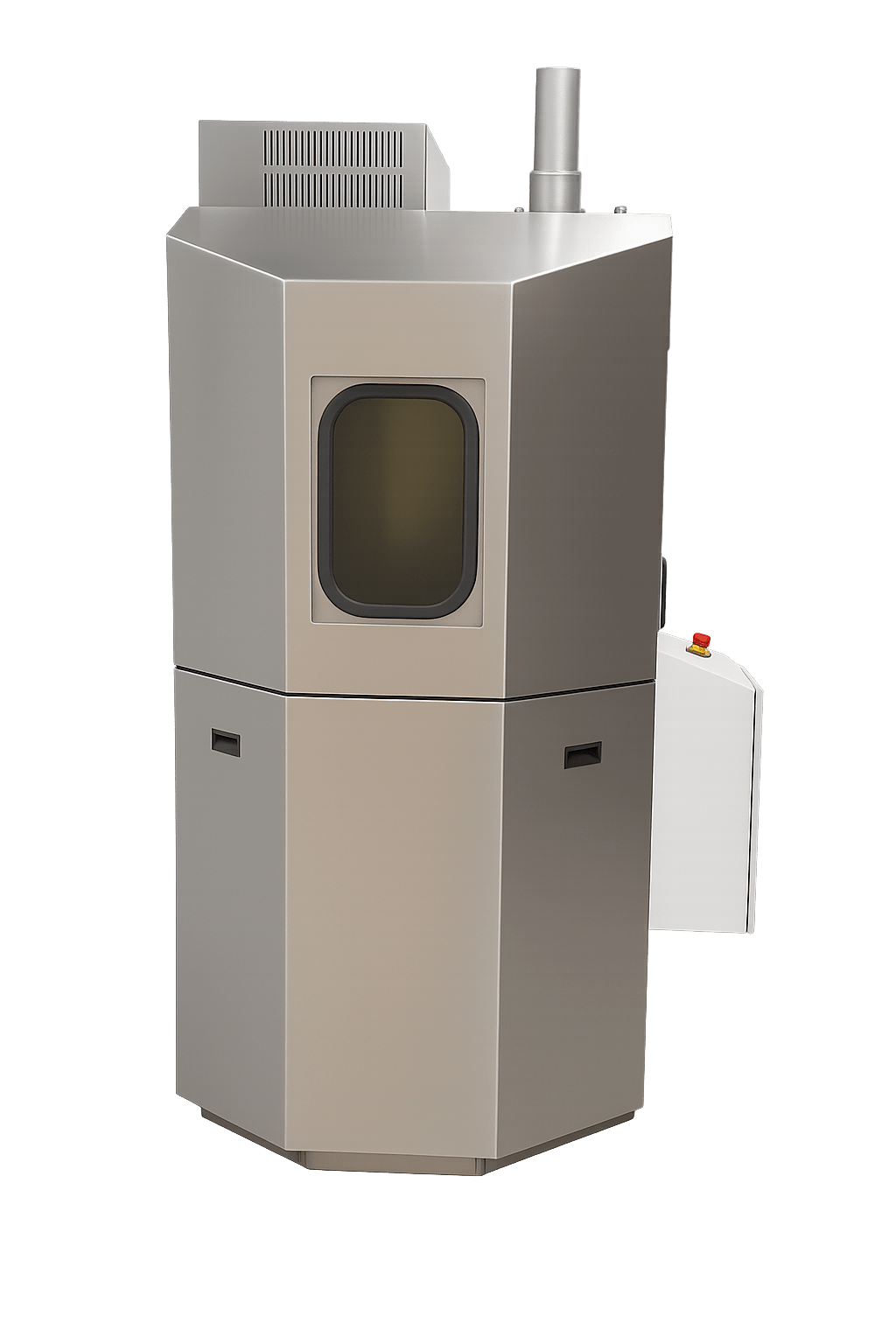
Spray washing systems work in a similar way to a dishwasher, but on a much larger industrial scale.
Automotive parts are loaded into a machine while high-pressure spray nozzles direct heated cleaning solutions onto the surfaces.
The combination of heat, pressure and detergent helps break down contamination quickly.
Spray washers are often used for:
- Engine parts
- Fabricated metal parts
- Castings
- Gearbox components
These systems are ideal for businesses processing large numbers of components each day.
Ultrasonic Cleaning
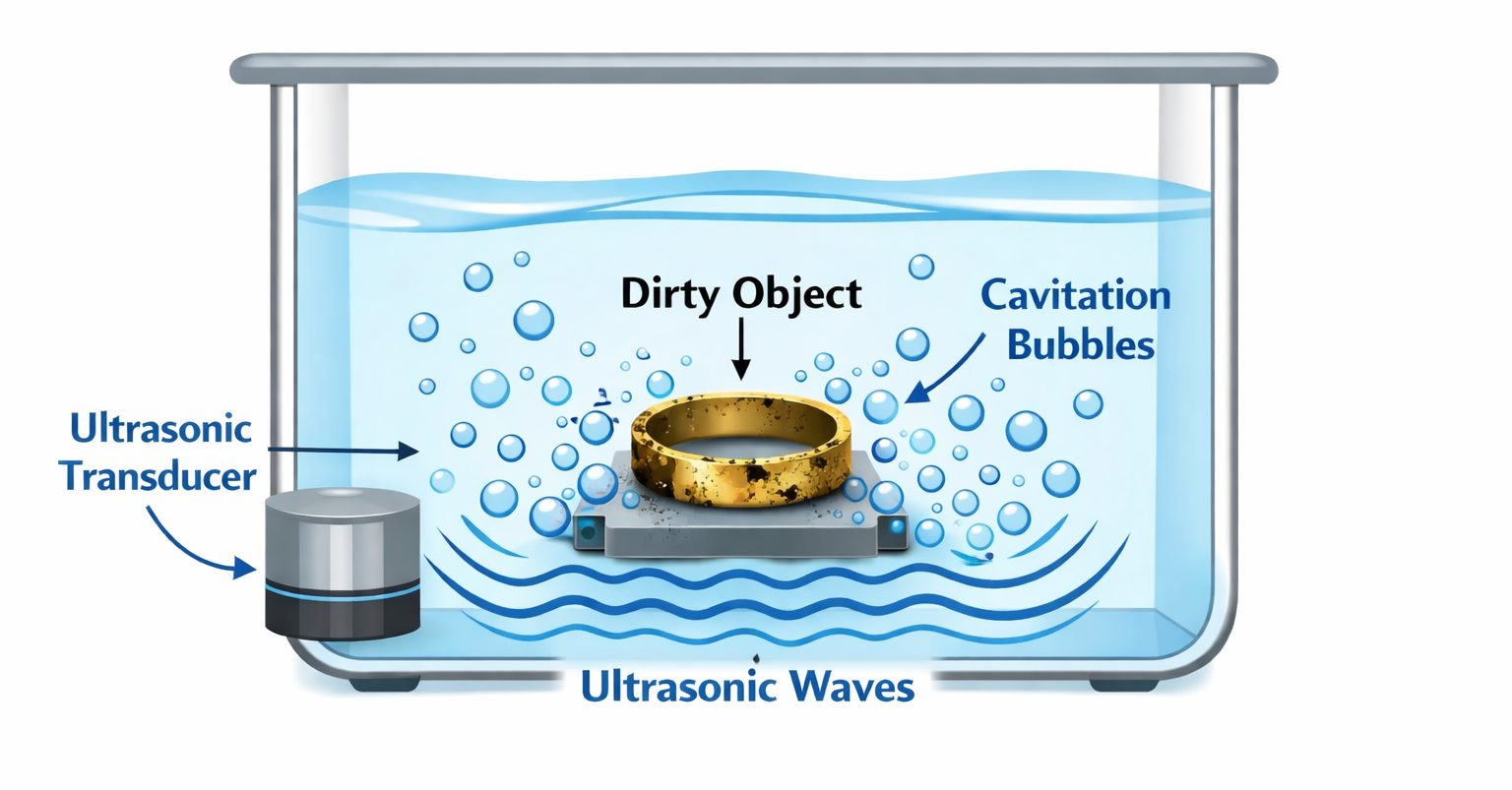
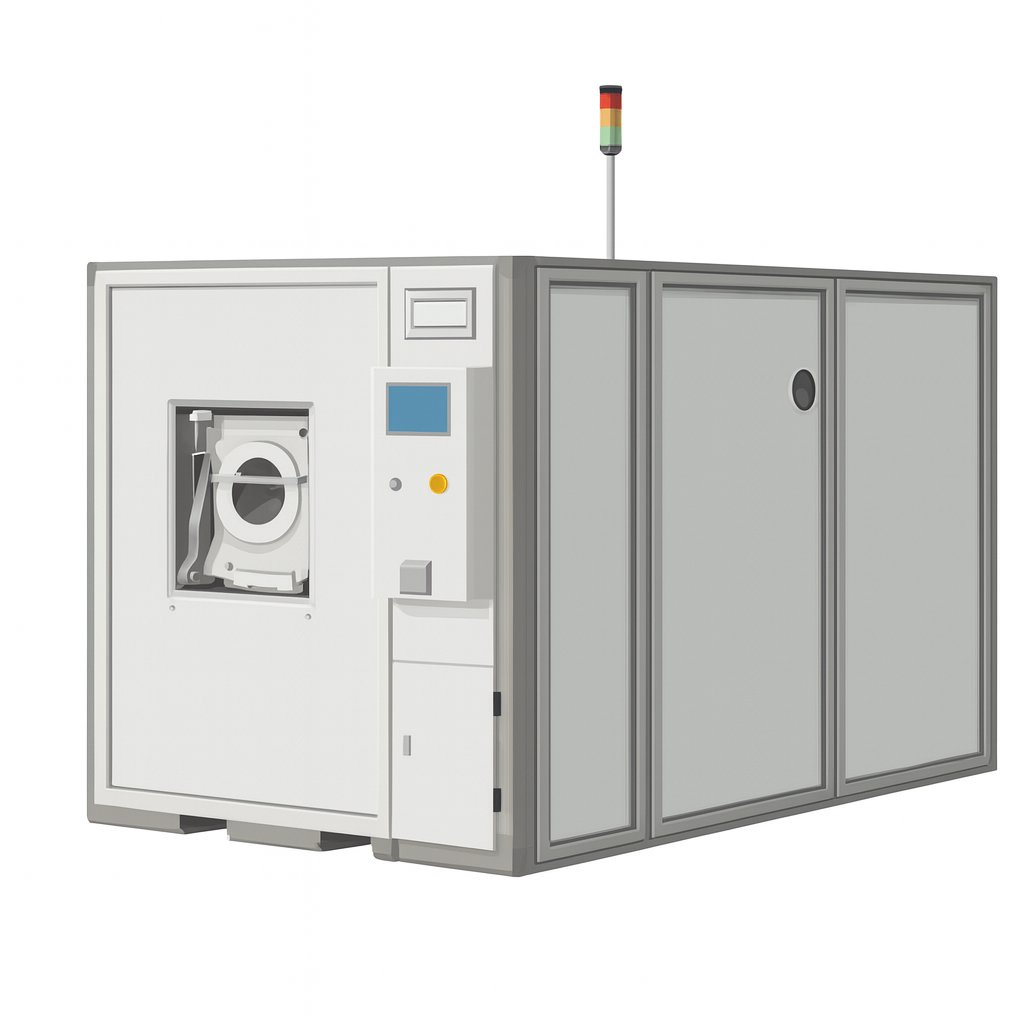
Ultrasonic cleaning uses sound waves to create tiny bubbles in a cleaning liquid. These bubbles collapse rapidly and remove dirt from hard-to-reach areas.
This method works especially well for smaller or more detailed components.
Ultrasonic systems are often used for:
- Fuel injectors
- Carburettor parts
- Small precision components
- Delicate metal parts
The process can clean internal passages and tight spaces that traditional washing systems may struggle to reach.
The Benefits of Industrial Washing Systems
Manual cleaning can be slow, inconsistent and labour intensive. Industrial washing systems provide a much more reliable solution for automotive businesses.
Better Cleaning Consistency: Industrial systems follow the same cleaning cycle every time. This reduces variation and helps maintain quality standards across production lines.
Faster Processing Times: Automated washing systems clean large volumes of parts far quicker than manual methods.
Reduced Manual Handling: Automated cleaning systems reduce the need for staff to handle dirty components and chemicals directly.
Improved Part Quality: Clean parts are easier to inspect, repair and assemble. Removing contamination also helps reduce the risk of future component failure.
Clean Your Automotive Parts with Unitech Washers
At Unitech Washers, we provide industrial washing systems designed to support demanding automotive cleaning applications. For any enquiries – or for help choosing the right system, simply contact us today on 01543 224608 or email us at washers@unitech.uk.com.